
We are
a non-profit organization champions for the preservation and advancement of African values throughout the world.

We impact
social-cultural and economic inclusion of Africans for the adequate access of opened opportunity that influences community participation in the development of society.
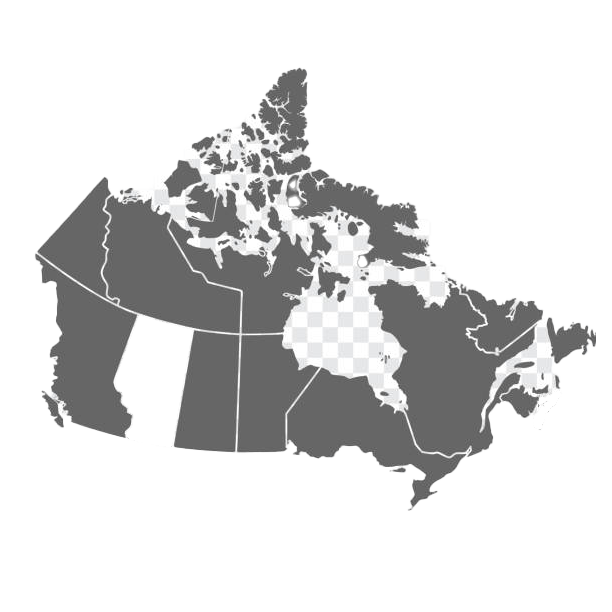
We work in
Alberta and Nova Scotia with strong local and international partnership.
What we do
Local Community Engagement
The inner concern of community engagement is participation of community members to achieve sustainable development for the community and deepening relationships that are built on success and equitable solutions. Community engagement is based on the democratic idea that everyone who is affected by an issue that impacts their community should have a say in the decision making around it. It, moreover, holds the promise that public participation can influence decisions that affect the provision of services, future visions and sustainability of our communities.
International Intervention
The organization runs a variety of international intervention programs and projects, discussion groups, round-table meetings, workshops and public events which seek to inform and broaden current debates about Africans sustainable development, issues and approaches. The AFA Institute also runs a variety of research on access to education, food security, energy provision, African a way forward, and produces a range of publicly available reports, Articles, books and papers to help policy making decision and the non-states stakeholders on positive approach, and sustainable development solutions for Africans.
Engaging with community to prevent and stop
the spread of COVID-19

Around the world there are an abundance of calls related to the COVID-19 pandemic that has affected many countries and communities such as African community in Nova Scotia. The impact of COVID-19 is felt by African who are unable to access government-mandated funding due to not meeting the criteria of “losing a job” or other related descriptors. It is further felt by those African families of new immigrants who significantly are more affected when compared to long-time permanent residents as well as citizens. Therefore, measures to prevent and stop the spread of COVID-19 include a close focus on the most vulnerable group and respond to the arising concerns.
International Intervention
Access to Education
Food Security
Peace Building
Energy Provision