Our works

Connections and Exchanges as Identified Actions to a Work Contribution

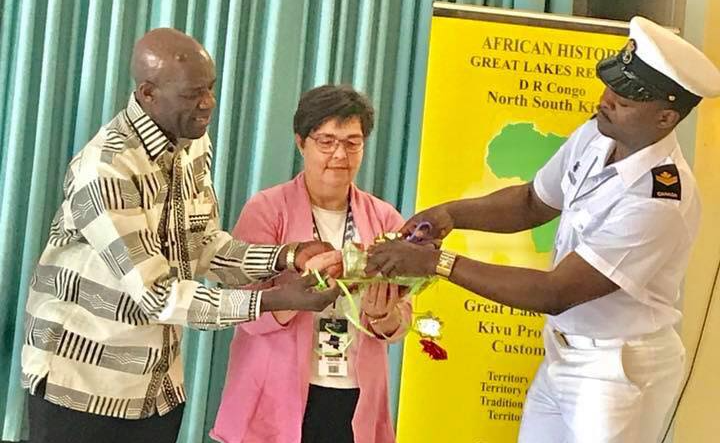
September 2017
Implemented RLCI Research Paper
Response to the Loss of Cultural Identity (RLCI)

The RLCI Research paper was implemented. 
May 2018
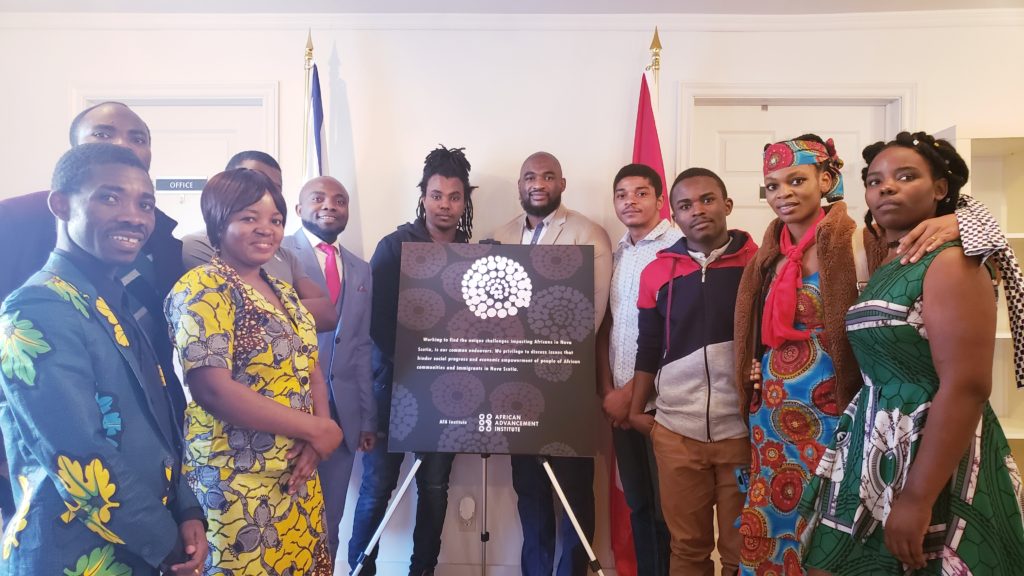
Expanded Areas of Focus
Challenges Affecting African Communities

We extended areas of focus to navigate the complexity.
January 2019
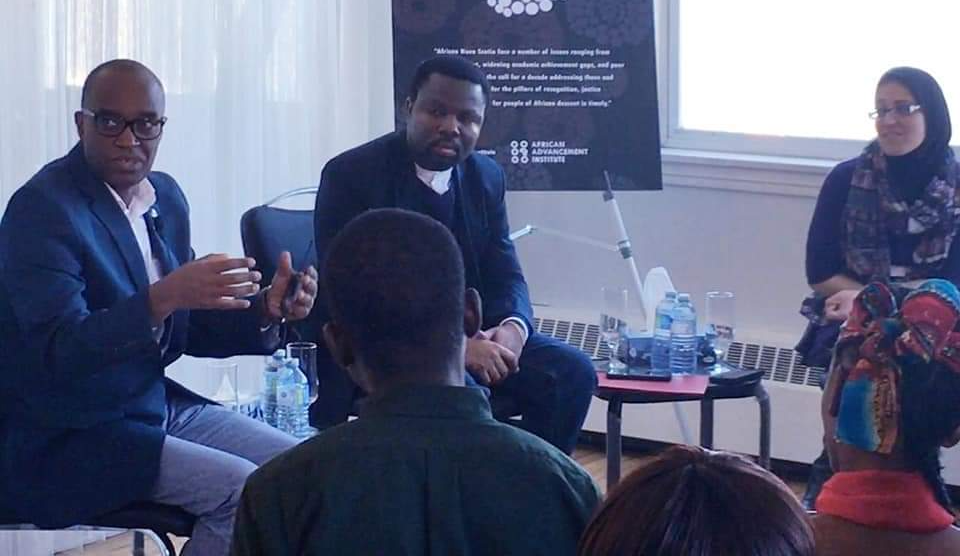
Implemented Strategic Aim 1, 2, and 3
Strategic Aims

We created a corporate framework " Theory of Approach".

October 2020
Released Research on Youth and COVID 19
Management to Recovery Measures

We released comprehensive assessment on youth and the disproportionate hit of covid-19 on vulnerable groups.
April 2021
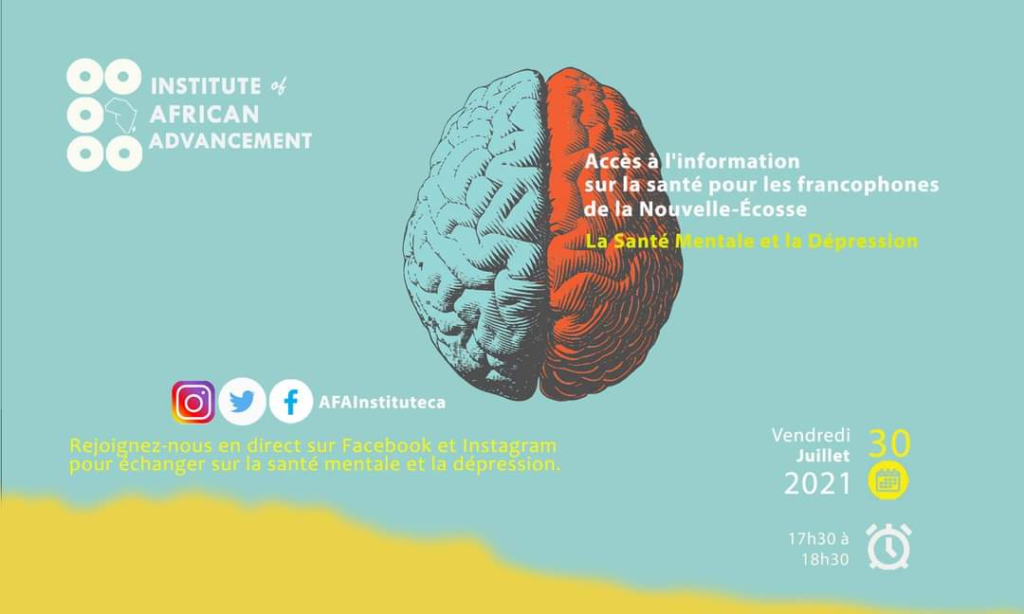
Implemented Mental Health and Depression case study
Mental Health and Depression

We implemented a study research on mental health and depression in the francophone community. 

May 2022
Laid out a study focus on African Cultural Identity
Conceptualization of Canadian Culture and Racial Identity

We laid out a starting point of study paper on the conceptualization of culture and racial identity.

November 2023
Initiated Research on Post migration Experience
Racialized Newcomers and Post-migration Experiences (RNPE)

Racialized Newcomers and Post-migration Experiences (RNPE) community research phase I was initiated.
April 2024
Initiated Community Challenges to Access Legal Benefits
Community Challenges to Access Legal Benefits (CCALB)

We started Community Challenges to Access Legal Benefits initiative to address the significant barriers faced by African families, youth, immigrants, and newcomers in Alberta when it comes to understanding legal access.
May 2025
Embarked on a strategic planning
Strategic Planning

We worked to build capacity efforts to strengthen the effectiveness
of the organization’s operations, and increase program impact.

April 2026
Focused on equipping participants with diverse skills
EYEI

We initiated skill-based training and structured framework aimed at enhancing opportunity for youth employability. 

Facing barriers to employment

Youth employability highlights a critical gap between formal education and the practical skills required for modern labour market integration. Newcomer and immigrant youth face unique systemic hurdles, including the non-recognition of foreign credentials and a lack of localized work experience. A significant “network gap” often exists, where the absence of established social capital prevents these youth from accessing hidden job opportunities. Linguistic barriers and cultural adjustment stressors further complicate the transition, often impacting confidence and long-term workplace retention. Intersectional factors, such as racial discrimination and the trauma of displacement, can create additional layers of exclusion for refugee populations. Effective interventions emphasize “wraparound” supports that combine technical training with life stabilization services like mental health care and transit. Ultimately, bridging this gap requires a focus on work-integrated learning and mentorship to convert newcomer potential into sustainable economic participation.

Mr. Trone Mwanzu

Kisimonwe

Franck Kitungwa

Mbayo Bin A

Fatuma Hassan

C/Worker

Community Challenges to Access Legal Benefits

The population growth of the province of Alberta keeps on increasing. This is a result of the movement of people from different provinces to Alberta as well as external migration that counts newcomers, immigrants, and refugees to Alberta (Statistics Alberta 2023). The African community in Alberta plays a significant role in promoting and advancing multiculturalism, social, and economic aspects within the society. Many Africans, newcomers, and immigrant families find Edmonton as their preferred town to live permanently and raise their family. This is one of the steps in the family integration and cultural orientation process. Therefore, despite the growing number of communities in Alberta, African families, youth, immigrants, and newcomers present a greater need for legal literacy. The scope of this research document addresses legal access, education, and information on parentage, guardianship, and immigrant sponsorship areas of family law and immigration to enable these communities to understand, use the opportunities, and navigate the complex legal system of Canadian law.

The African Families Migration Succession Project creates and supports opportunities for cultural connection and documentation that increases understanding between people, communities, and places. Aim number one applies to our work in the way that upon completion, the project will, Increase awareness by drawing connections between facts, immigrant experiences, and the foundational principles of human rights. People will explore the experiences of contemporary and historical generations through written excerpts and immigrant stories. Therefore, Implementing this project  will provide resources to contemporary Edmonton history of African family migration journeys which will connect to documentation that increases understanding between people, community and place.

Immediate Crisis Management to Recovery Measures

Assessment on youth, vulnerable groups and a predictable figure during the covid-19 crisis.

Young people already have less income at their disposal compared to the previous young generation. Young people are 2.5 times more likely to be unemployed than people aged 25-64. Therefore, when these intersect with other identity factors such gender, sex, race, ethnicity, intellectual, physical disability and socio-economic; disadvantage may exacerbate the vulnerability of young people. Different studies have shown that young people are less at risk in developing severe Covid-19 symptoms but are affected in other ways. The pandemic has hit vulnerable groups disproportionately hit of covid-19 onand it is important recovery measures take note of this. Within various concepts of unemployment rates due to the pandemic that has hit social levels in our society, youth vulnerability and of such concern is the high unemployment of youth and their rising debts.

Mr. Trone Mwanzu

Kisimonwe

Co-Associate

Francis O Bonsu

Mental Health and Depression

A study and observation in the Francophone community 

According to Megan Bearce “Life can be stressful and having a safe, non-judgmental place to explore worries, fears, and relationships is so important.” This is more interactively in our social norms and cultural values that define who we are. Our culture defines who we are, what we should believe, accept as a problem and solutions in our daily lives ( Hernandez Mario 2009). Mental health is a critical topic and often regarded as taboo by different African cultures and thus makes it difficult to understand the issue. This study helps address the impacts of mental health in African families, youth and single parents by addressing language barriers, disinformation, and educating community in Alberta and Nova Scotia.

Mr.Trone Mwanzu Case Study & Author


Mervat Abel Facilitator

Simon Kalisimbi Facilitator

Integration and African Cultural Value

The African cultural values in the conceptualization of Canadian culture and racial identity is a significant point of start to centre how immigrants and newcomers of African origin evolve the pattern of their costumes and behaviour into the multiculturalism concept of Canada and how this implies for African parents and youth in the preservation and advancement of African cultural identity. This study focuses on the African families and community in Alberta and Nova Scotia Canada and seeks to address the issue and therefore set recommendations.

Trone Mwanzu Case Study & Author

Mervat Abel Ismail. Facilitator

Mr. Didier Facilitator

Need Help? We Are to assist!

Skip to content